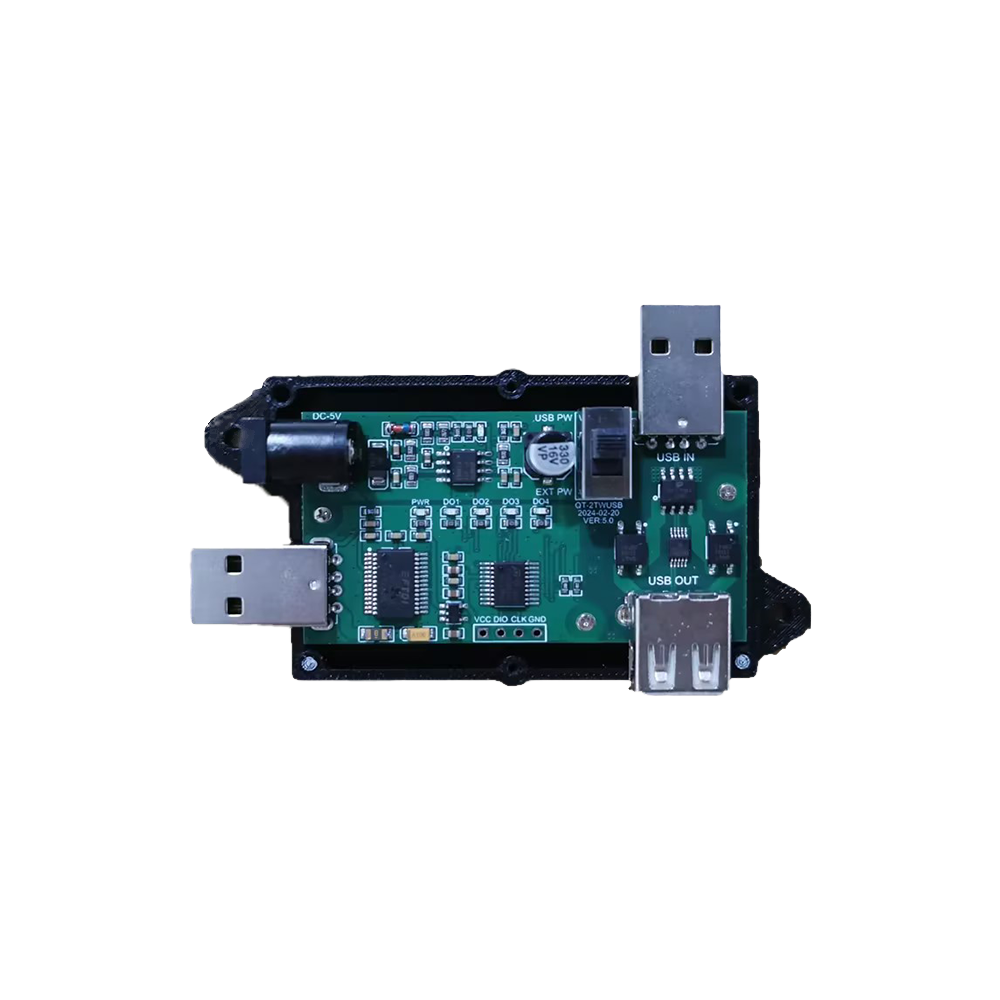
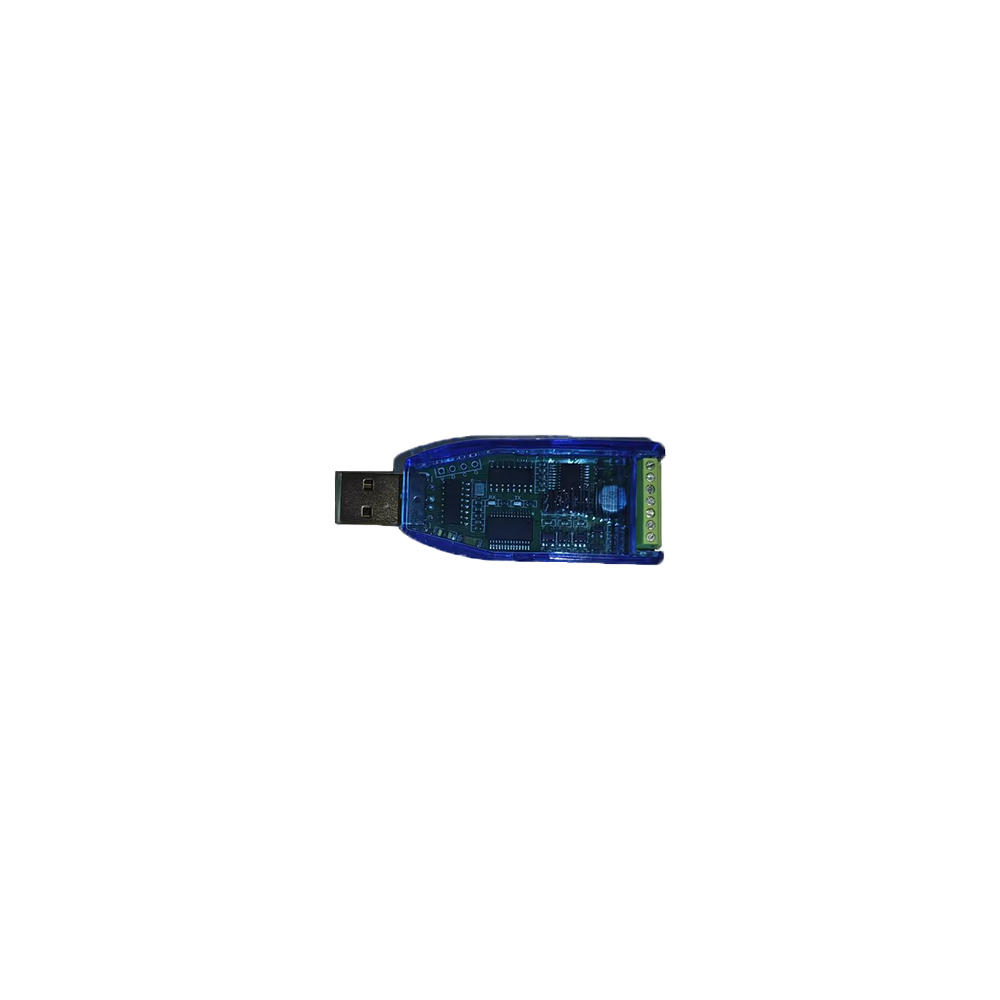
USB Self-Mating Test Connector
Connector assembly for automated insertion and extraction
Overview
Automating a USB connection is harder than it looks. The connector has to find the port, seat with the right force, survive thousands of cycles, and not damage either side when the alignment is slightly off.
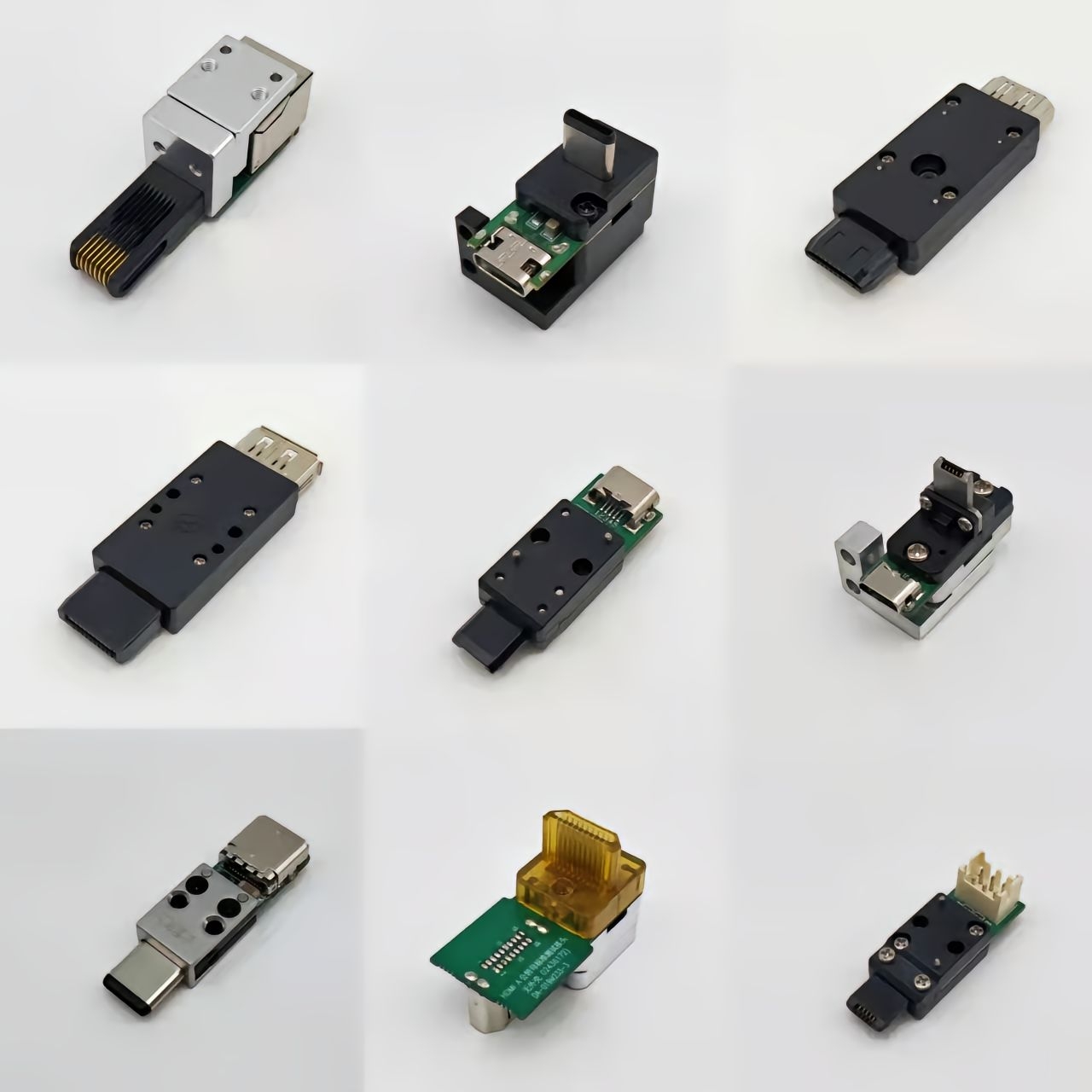
This assembly is built to the device: connector type, insertion direction, and fixed or floating mounting are all specified per project. Several structural variants are available depending on the approach.
Interface protocol, data rate, VBUS current, CC/PD behaviour, high-speed differential routing, travel length, and cycle life are confirmed against a sample, a datasheet, and a technical agreement. The published images show structural styles rather than a final specification — dimensions, life rating, and certification are not stated on the images and should not be inferred from them.
Specifications
Features
- Built to the device interface rather than adapted from a stock connector
- Fixed or floating mounting to absorb alignment tolerance
- Multiple structural variants for different insertion approaches
- Contact resistance and data integrity acceptance criteria defined per project
Typical applications
- Automated USB test fixtures
- Line-side insertion stations
- High-cycle connection testing
Discuss this configuration
Send the device details and the measurement you need to make. We will confirm which specifications are fixed and which need verification on your sample.
Contact engineering