How should calibration intervals and traceability be managed for attenuators?
Intervals are not a fixed regulatory number. Working within the ISO/IEC 17025 framework, start from the manufacturer recommendation — 12 months is common for RF instruments — then let the as-found and as-left data from each calibration decide whether to extend or shorten. Two or three consecutive cycles with adequate margin support extending to 16–24 months; an out-of-tolerance result should shorten the interval to 6–8 months and trigger an impact assessment. Attenuators, power, and cable loss should be checked against references traceable to a national standard.
Key points
- Start at the manufacturer interval, then let as-found data drive changes
- Two or three cycles with margin justify 16–24 months
- An out-of-tolerance result shortens to 6–8 months plus an impact assessment
- Cable loss and power references need the same traceability as the attenuator
- Keep as-found and as-left records; they are the evidence for interval decisions
Products this applies to
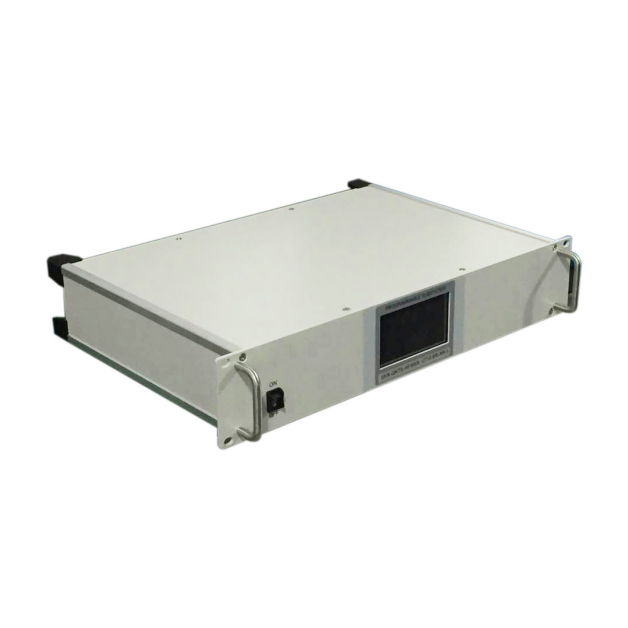
Programmable Attenuator, 4×4, 0.6–6 GHz
A multi-channel programmable attenuator with four inputs and four outputs covering 0.6–6 GHz and 0–1…
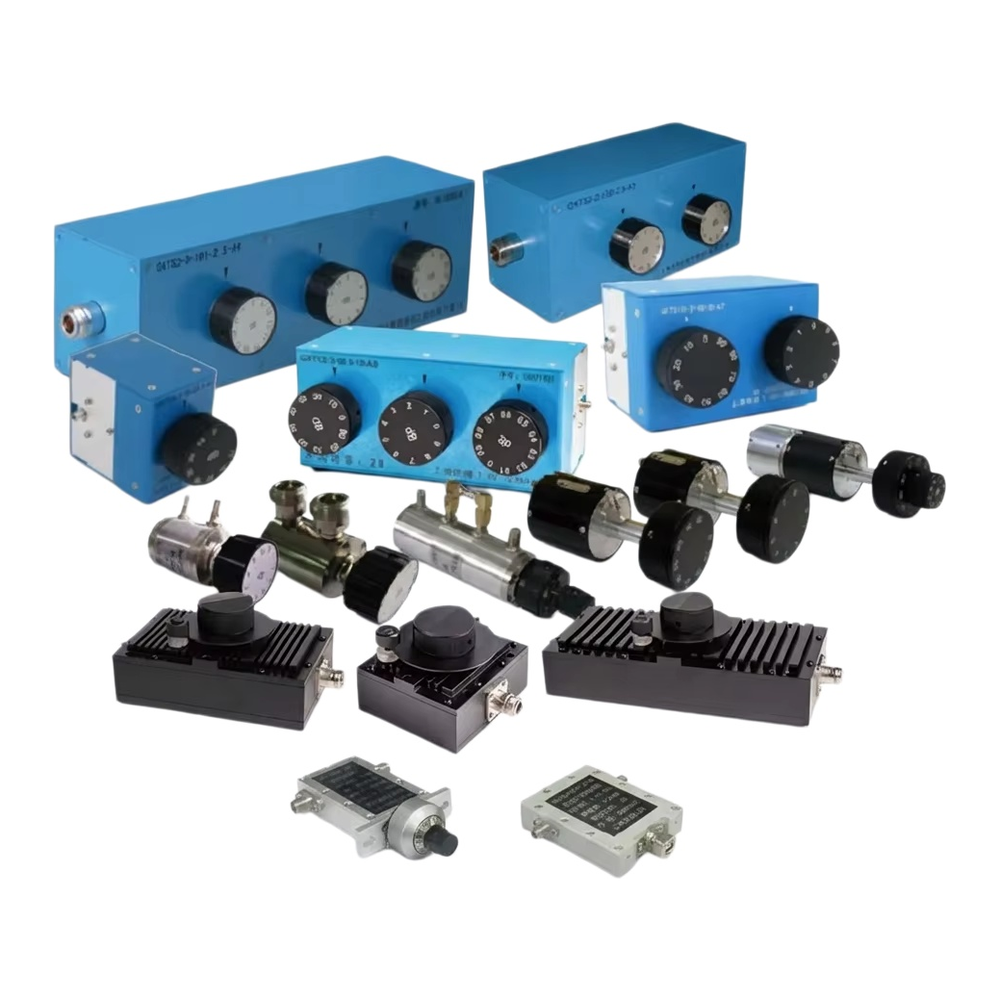
Manual Rotary Step Attenuator, DC–6 GHz
A 50 Ω manual rotary step attenuator covering DC–6 GHz with 0–100 dB in 1 dB increments, adjusted by…
Discuss this configuration
Send the device details and the measurement you need to make. We will confirm which specifications are fixed and which need verification on your sample.
Contact engineering