How does an automated shield test cell connect to a robot, line control, and test software?
Integration puts mechanical motion, RF testing, and product traceability into a single sequence. You have to define the loading position, lid or fixture state, equipment control interface, instrument commands, result handling, and fault recovery before the cell is built. Robot, PLC, and MES interfaces are project-specific: the handshake signals, the failure states, and who owns recovery after a fault all belong in the technical agreement.
Key points
- Define loading position, fixture state, and lid or drawer interlocks first
- Instrument commands and result handling belong in the same sequence as the motion
- Robot and PLC handshakes are project-specific, not catalogue options
- Fault recovery ownership must be agreed before installation
- Traceability fields are designed with the sequence, not added afterwards
Products this applies to
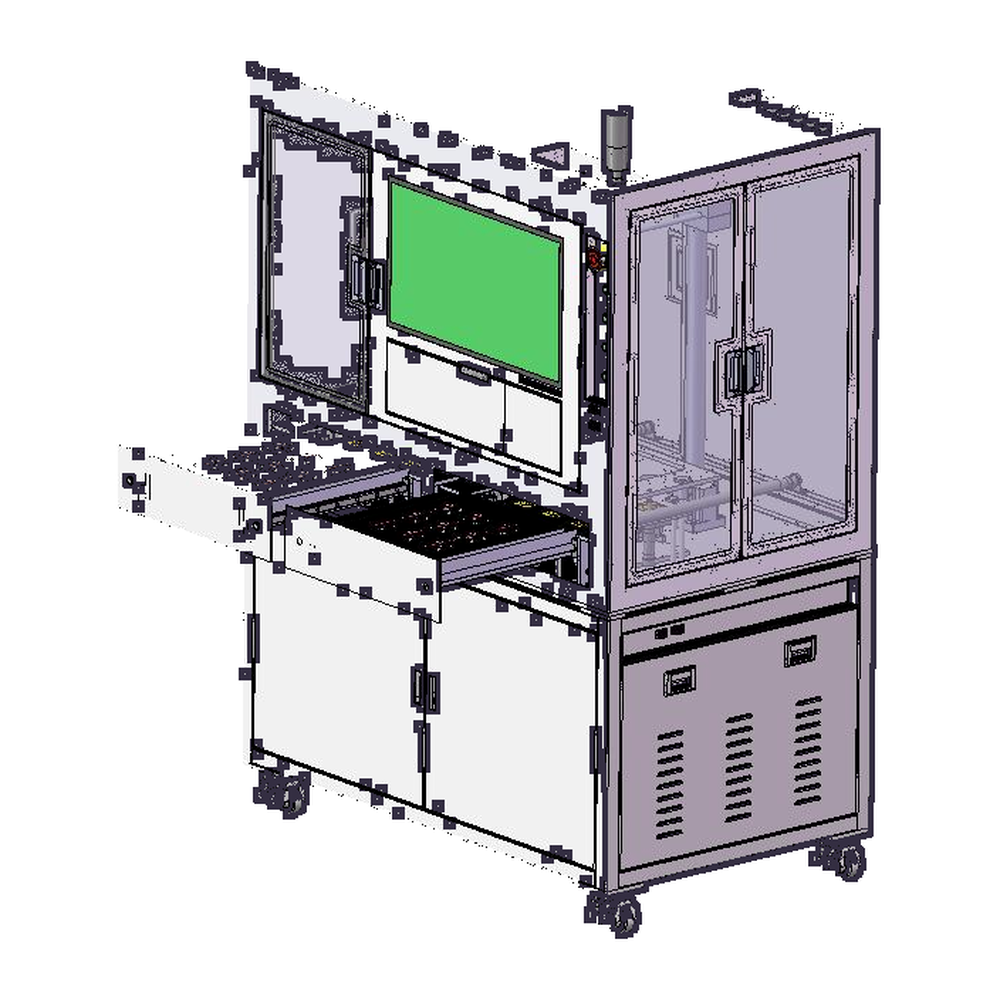
Dual-Position Drawer RF Shield Test Station
A self-contained test station combining two drawer-type shielded cavities, an instrument bay, and an…
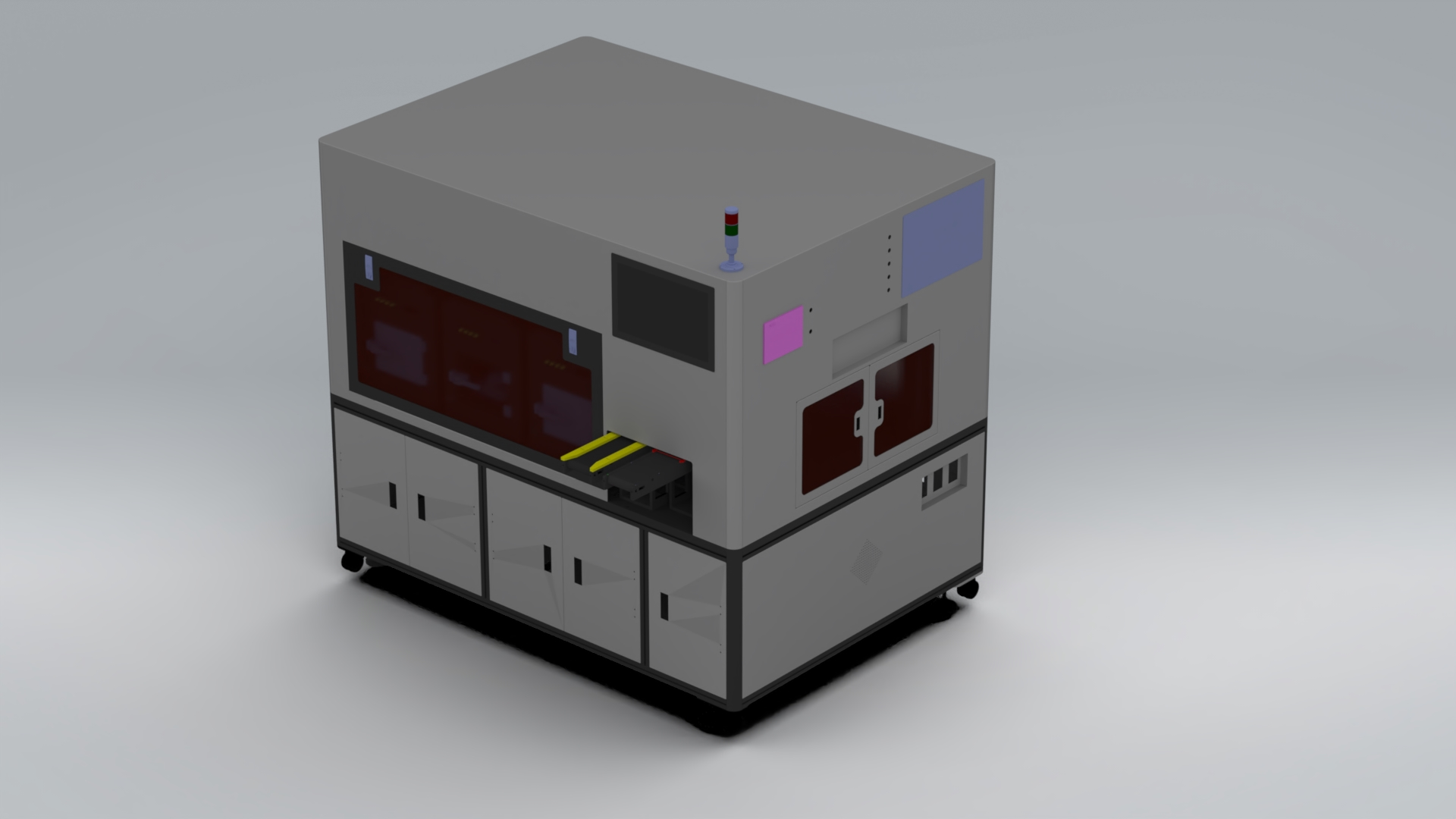
Inline Automated Coupling Test System
An inline coupling test system for phone production that integrates barcode reading, product positio…
Discuss this configuration
Send the device details and the measurement you need to make. We will confirm which specifications are fixed and which need verification on your sample.
Contact engineering