What is wireless coexistence testing, and why does desense matter?
Coexistence is the ability of several radios — cellular, Wi-Fi, Bluetooth, UWB — to operate in the same device or the same spectrum without significant mutual degradation. Testing centres on receiver performance: inject a wanted signal and an interfering signal in a controlled environment, then measure how throughput, PER, BER, or BLER degrade. Receiver desense is the classic failure. ANSI C63.27 provides the framework, and AAMI TIR69 covers medical device coexistence risk management. At production level, the goal is to catch units whose desense has shifted beyond the design margin.
Key points
- Coexistence testing measures degradation, not just function
- Receiver desense is the most common failure mode
- ANSI C63.27 is the general framework; AAMI TIR69 covers medical devices
- Production testing screens for units outside the design margin
- Screening is not certification; the limits and methods differ
Products this applies to
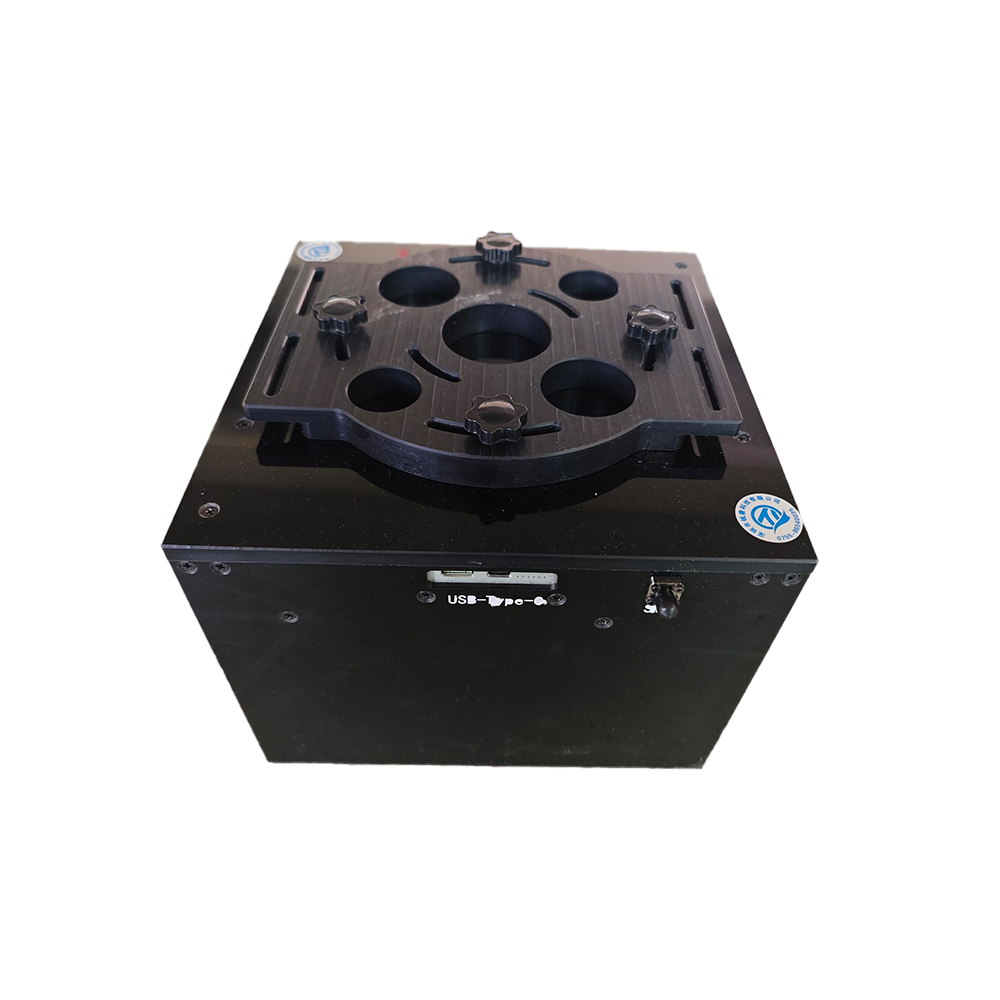
Near-Field Coupling Matrix Antenna
A near-field coupling antenna array with an integrated RF switch and eight cross-polarised antenna p…
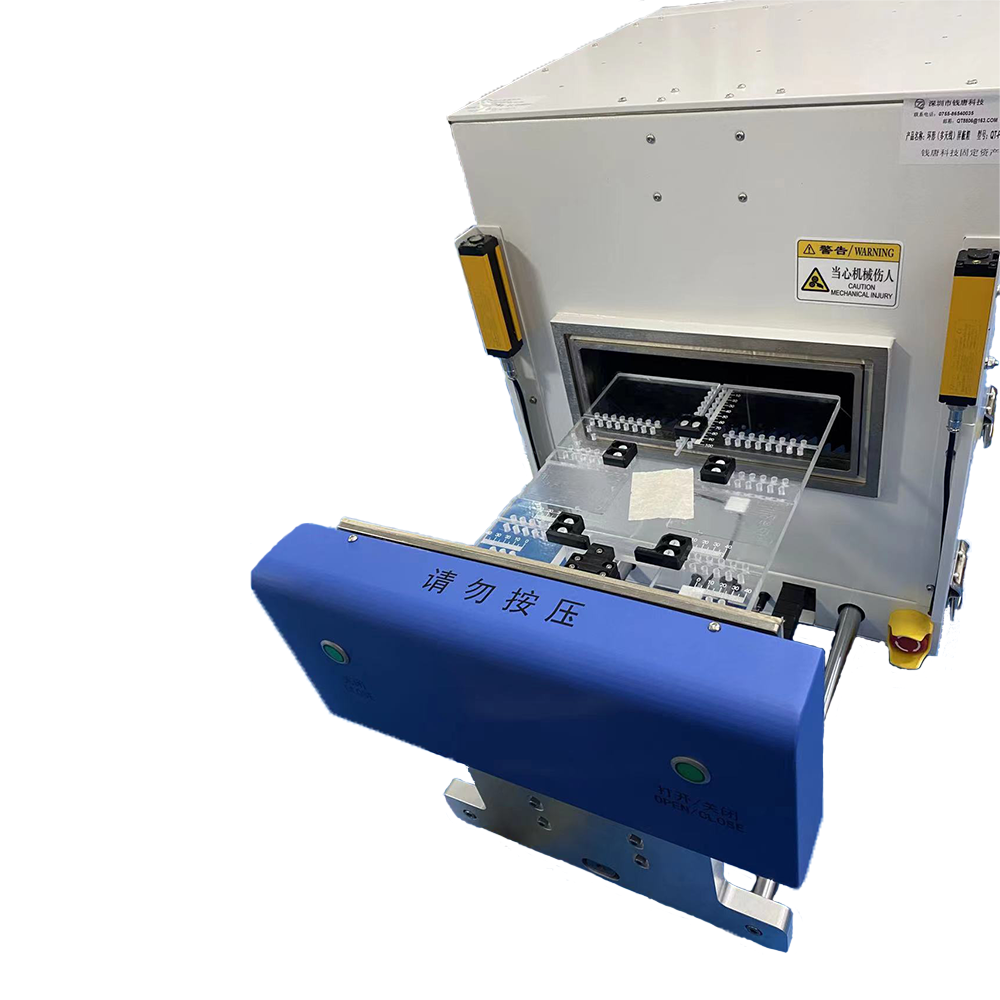
5G Smartphone Multi-Antenna Test Station
A turnkey multi-antenna RF production test station for phones and tablets, combining a shielded encl…
Discuss this configuration
Send the device details and the measurement you need to make. We will confirm which specifications are fixed and which need verification on your sample.
Contact engineering