Manual, pneumatic, or drawer shield box — how do I choose?
The difference is actuation and whether the station depends on a power source. A manual clamshell uses metal latches, needs no air, and is portable, so it suits development, labs, repair, and stations without air. A pneumatic version is cylinder-driven: faster and more consistent per cycle, but it needs an air supply, which suits takted production. A drawer moves the device horizontally, which suits lines with automatic loading. Decide in this order: cycle time, loading direction, and available air and automation.
Key points
- Manual: no air, portable, best for development, labs, and repair
- Pneumatic: consistent cycle-to-cycle clamping, needs air, suits takted lines
- Drawer: horizontal loading, suits automatic infeed and robot integration
- Decide by cycle time first, then loading direction, then site services
- All three share the same shielding principle; only the mechanism differs
Products this applies to
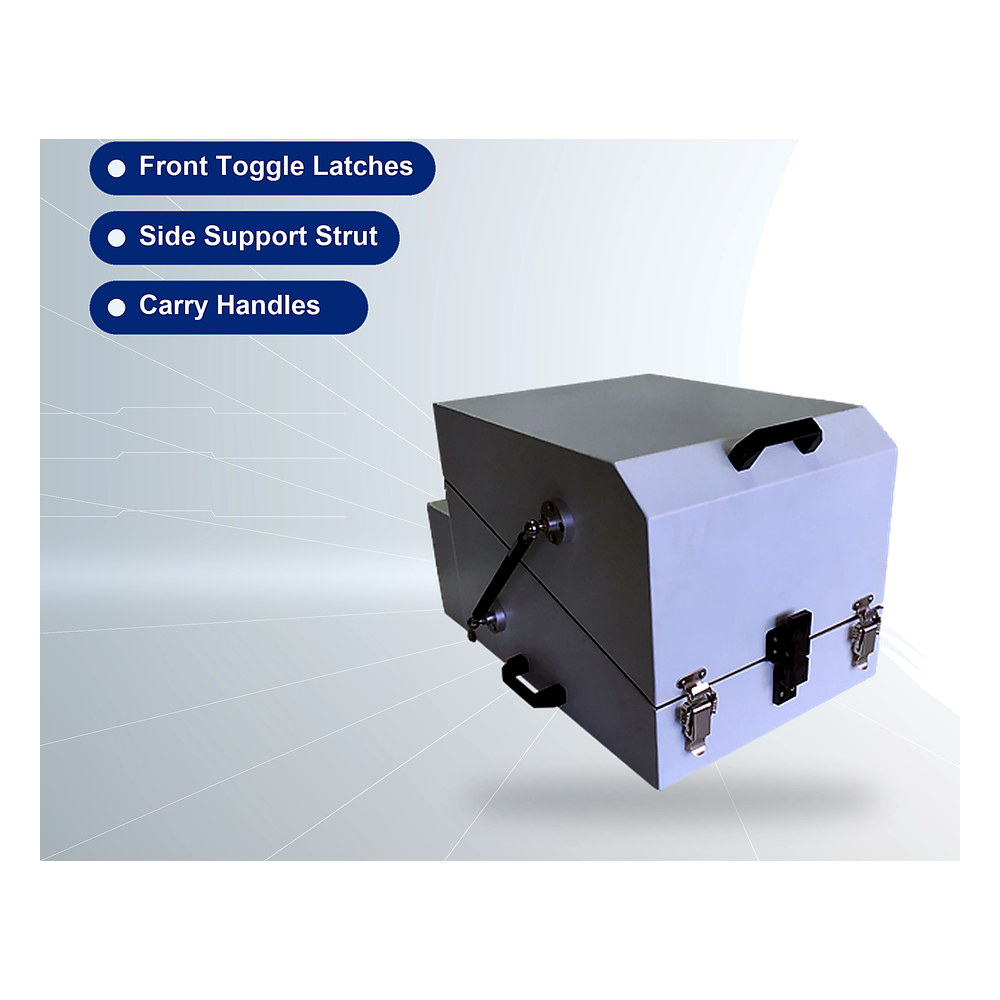
Portable Manual Shield Box, Top Opening
A portable metal RF test enclosure with a clamshell lid secured by two toggle latches, held open by …
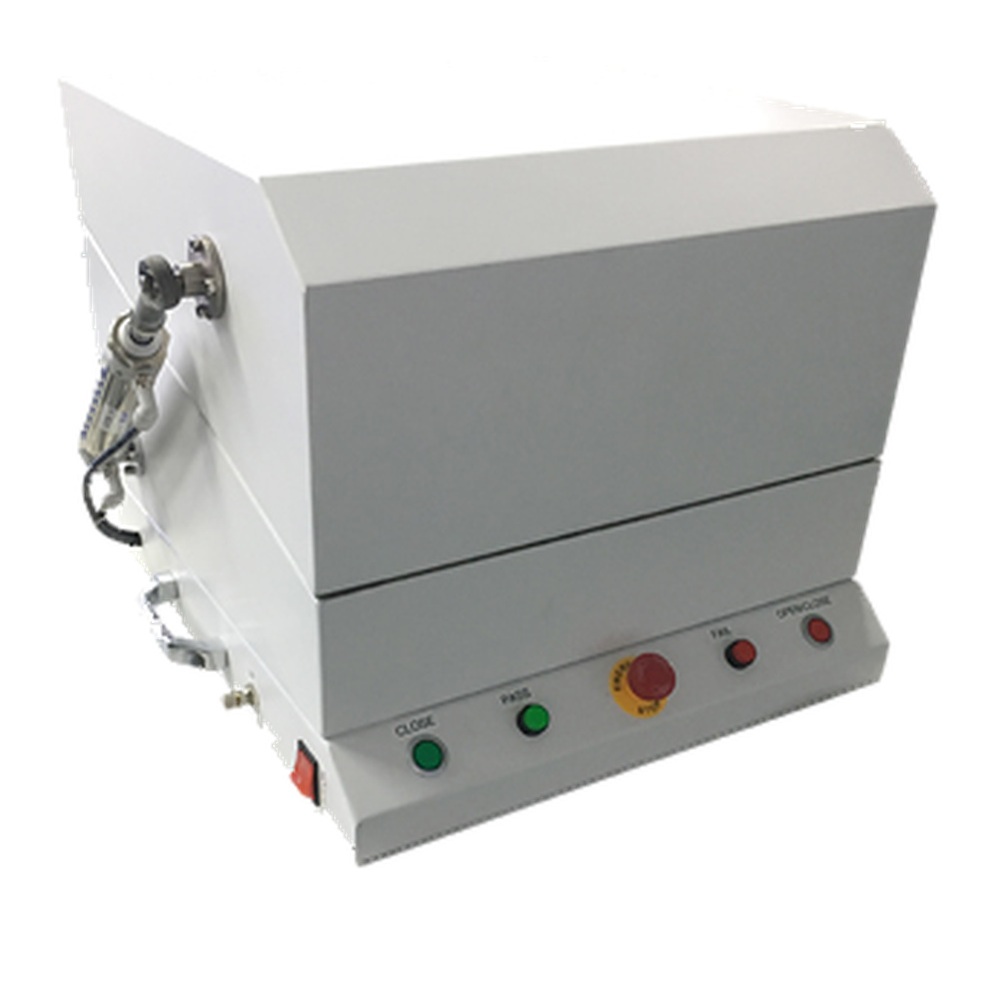
Pneumatic Shield Box, Top Opening
A benchtop RF shielded enclosure with a side-mounted pneumatic cylinder driving a top-opening lid, f…
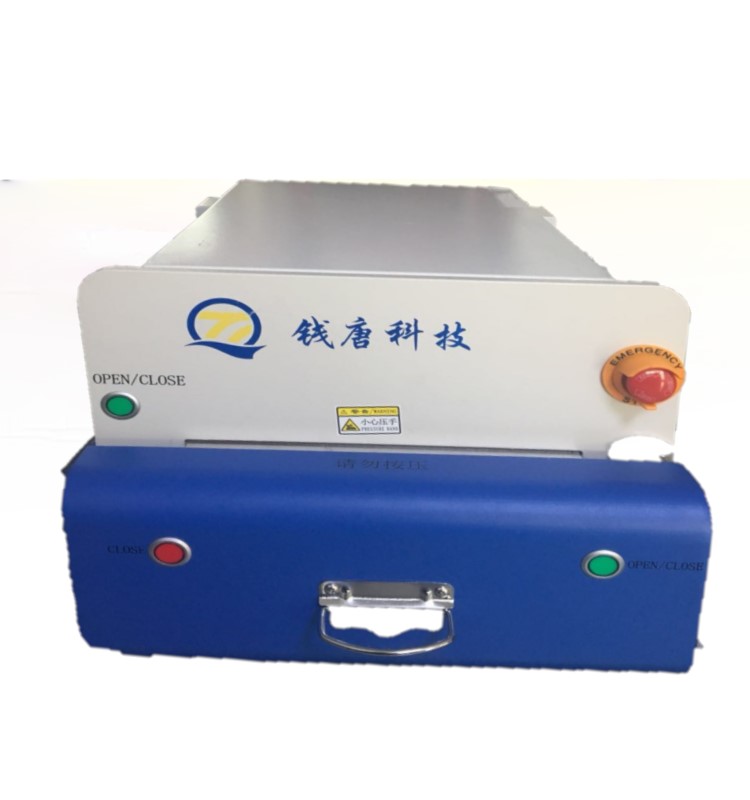
QT4630W Drawer-Type RF Shield Box
A drawer-type RF shielded enclosure for 3C device coupling tests, taking general-purpose fixtures an…
Discuss this configuration
Send the device details and the measurement you need to make. We will confirm which specifications are fixed and which need verification on your sample.
Contact engineeringRelated questions
- How should I read shielding effectiveness figures, and how are they confirmed?
- How should a pneumatic shield box handle feed-throughs, filtering, and grounding?
- How should ESD protection and grounding be implemented at an RF test station?
- Which 5G FR1 bands matter, and how do they map to shield box coverage?